What Is CBDC?
The digital revolution has changed how we communicate, shop, and even work so it’s no surprise that money itself is going digital. One of the biggest developments in this space is the rise of CBDCs, or Central Bank Digital Currencies. Many countries are actively exploring or launching CBDCs to modernize their financial systems and keep pace with rapid technological changes.
In this article, we break down what CBDC means, why it matters, and how it may shape the future of money all in simple, friendly language.
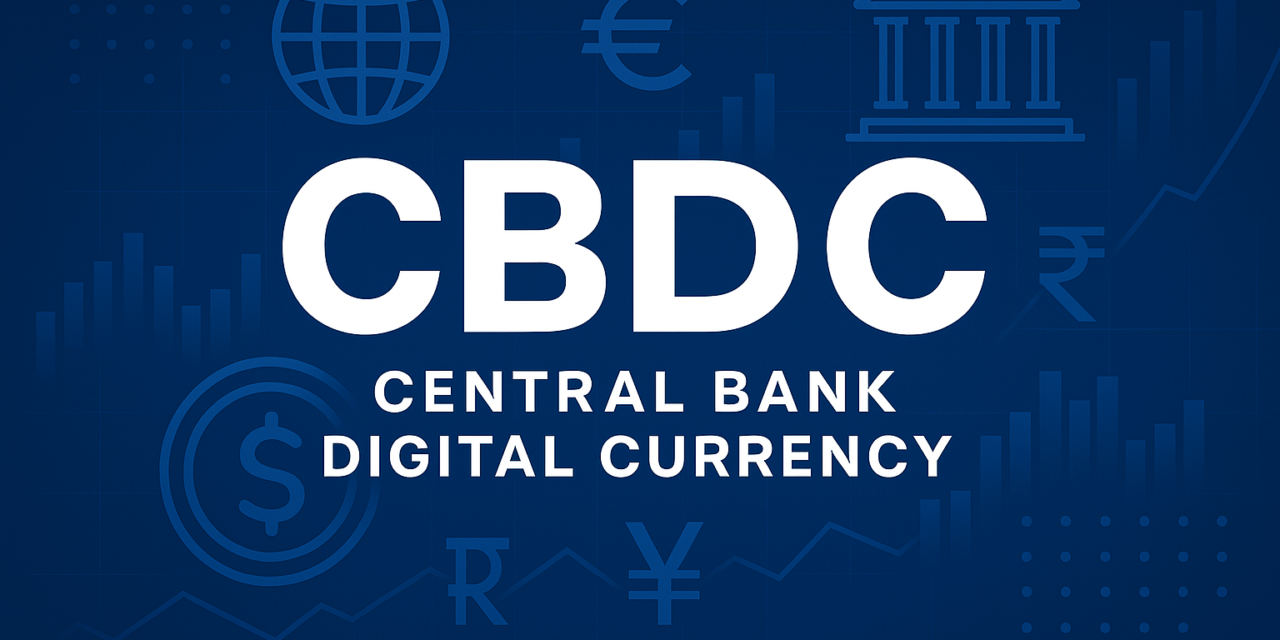
A Central Bank Digital Currency (CBDC) is a digital form of a country’s official currency issued and regulated by the central bank. Unlike regular digital money stored in bank apps or wallets, a CBDC is a direct liability of the central bank, not a commercial bank.
This makes it different from:
- Cryptocurrencies, which are decentralized and volatile.
- Stablecoins issued by private companies.
- Your bank’s digital balance, which is not central‑bank money.
CBDCs are government‑backed, stable, and secure, designed to complement (not replace) existing cash systems.
Why Are Countries Developing CBDCs?
Governments and central banks are exploring CBDCs for several key reasons:
- Faster and Cheaper Payments
CBDCs can enable real-time payments, meaning money can move instantly across accounts with no delays — locally and even across borders. - Financial Inclusion
Millions of people worldwide lack access to traditional banking. CBDCs can make digital payments accessible through basic mobile devices, helping the unbanked participate in the financial system. - Secure and Stable Digital Money
Unlike crypto, CBDCs are:
- Regulated,
- Backed by governments,
- Designed to remain stable in value.
- Keeping Up With Technology
With private digital assets and fintech innovations rising, central banks want to ensure that national currencies remain relevant and competitive.
How Do CBDCs Work?
A CBDC typically operates through a centralized database managed by the central bank or authorized entities. This system keeps track of balances and ensures transactions are secure and properly recorded.
CBDCs can be built using:
- Traditional databases
- Distributed ledger methods (if needed, but not always required)
They may also incorporate features such as programmability, allowing automated payments under set conditions.
Types of CBDCs
CBDCs mainly come in two forms:
- Retail CBDCs
These are designed for the general public to use for daily transactions — shopping, paying bills, receiving salaries, etc. They are essentially digital cash. - Wholesale CBDCs
Used by banks and financial institutions for interbank settlements, large transfers, or improving backend financial infrastructure.
CBDC vs. Cryptocurrency
While both exist in digital form, they differ in important ways:
| Feature | CBDC | Cryptocurrency |
|---|---|---|
| Issuer | Central Bank | Private/Decentralized |
| Price Stability | Stable (government‑backed) | Often volatile |
| Regulation | Fully regulated | Limited/varies |
| Legal Tender | Yes | Usually No |
| Purpose | Safer digital payments; financial inclusion | Decentralized alternative; investment |
CBDCs take inspiration from blockchain innovations but are centrally controlled to ensure stability and security.
Which Countries Already Use CBDCs?
Some countries are leading the way:
- Bahamas (Sand Dollar)
- Nigeria (eNaira)
- Jamaica (Jam‑Dex)
- These nations have already rolled out CBDCs to their people.
Many others — including the United States, India, and European countries — are still researching or testing pilot programs. Over 134 countries are exploring CBDCs as of 2024.
Benefits of CBDCs
CBDCs offer several advantages:
- Lower Transaction Costs
- Better Security & Reduced Fraud
- Improved Monetary Policy Tools
- Support for Digital Economies
- Greater Access for Underserved Communities
Challenges & Concerns
While promising, CBDCs come with risks:
Privacy Issues
Governments must strike a balance between user privacy and preventing criminal activity. Some regions even oppose CBDCs due to privacy concerns.
Technology Barriers
Ironically, those who would benefit most (the unbanked) may struggle with digital adoption.
Banking Sector Impact
Widespread CBDC use may affect bank deposits and lending systems, requiring careful policy design.
The Future of CBDCs
CBDCs are not going away. As digital payments continue to grow, central banks worldwide see CBDCs as a natural evolution of money. Whether for speeding up payments, increasing financial access, or modernizing economies, CBDCs will likely play a major role in the future financial landscape.
Think of CBDCs as the bridge between traditional finance and the digital economy a modern upgrade to money itself.
Final Thoughts
CBDCs represent a major shift in how money might work in the coming years. As countries test, experiment, and innovate, CBDCs could soon become as common as debit cards or mobile wallets.
For now, understanding what CBDCs are and how they work prepares us for the future of digital finance one that is faster, more inclusive, and more secure.