What Is Blockchain? (Quick Answer)
Blockchain is a decentralized digital ledger that securely records transactions across multiple computers, making the data transparent, tamper‑resistant, and trustworthy.
This short definition is optimized for Google Featured Snippets and beginner search intent.
Introduction: Understanding Blockchain Without the Confusion
Blockchain is often described as a complex technology, but the idea behind it is actually quite simple. It was first introduced to support Bitcoin, but today it is used in many industries beyond cryptocurrency.
At its core, blockchain solves one major problem: trust in digital transactions. Instead of relying on a single authority like a bank or company, blockchain allows information to be verified and stored collectively by a network.
How Does Blockchain Work? (Step‑by‑Step)
Here’s a simple explanation of how blockchain works:
- A transaction is requested (for example, sending digital money).
- The transaction is shared with a network of computers called nodes.
- The nodes verify the transaction using predefined rules.
- Verified transactions are grouped into a block.
- The block is added to a chain of previous blocks.
- Once added, the data becomes permanent and cannot be altered.
This process ensures security, accuracy, and transparency without needing a middleman.
Why Is Blockchain Considered Secure?
Blockchain security comes from a combination of technology and design.
Key Security Features:
- Cryptography protects transaction data
- Decentralization removes single points of failure
- Immutability prevents unauthorized changes
- Consensus mechanisms ensure only valid data is added
Because each block depends on the previous one, altering data would require controlling most of the network—an extremely difficult task.
Types of Blockchain Explained Simply
Public Blockchain
Open to anyone and fully decentralized.
Examples: Bitcoin, Ethereum
Private Blockchain
Controlled by a single organization with restricted access.
Often used by enterprises.
Consortium Blockchain
Managed by a group of organizations, commonly used in banking and logistics.
Hybrid Blockchain
Combines public transparency with private control.
Real‑World Applications of Blockchain Technology
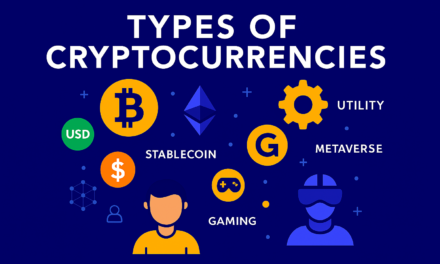
- Cryptocurrencies
Blockchain enables secure peer‑to‑peer digital payments without banks. - Smart Contracts
Smart contracts are self‑executing programs that automatically enforce agreements when conditions are met. - Supply Chain Management
Companies use blockchain to track products from origin to delivery, reducing fraud and errors. - Healthcare
Patient records can be stored securely and shared only with authorized providers. - Banking and Finance
Blockchain improves cross‑border payments by reducing time, cost, and intermediaries.
Benefits of Blockchain Technology
Blockchain offers several advantages over traditional systems:
- High data security
- Improved transparency
- Lower transaction costs
- Faster processing
- Reduced fraud
- No reliance on intermediaries
These benefits make blockchain attractive for both businesses and individuals.
Limitations and Challenges of Blockchain
While powerful, blockchain is not without challenges:
- Scalability limitations in some networks
- High energy usage in older systems
- Regulatory uncertainty
- Limited public understanding
Many of these issues are actively being addressed through new technologies and policies.
Blockchain vs Traditional Databases
Traditional databases are centralized and editable by administrators. Blockchain databases are decentralized, transparent, and resistant to tampering. This makes blockchain especially valuable where trust and verification are critical.
The Future of Blockchain Technology
Blockchain is playing a major role in emerging technologies such as:
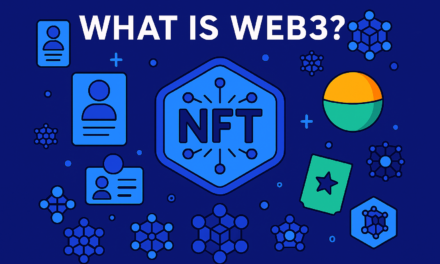
- Web3 and decentralized internet
- Decentralized Finance (DeFi)
- NFTs and digital ownership
- Digital identity systems
- Secure data sharing platforms
As adoption grows, blockchain is expected to become a foundational layer of the digital economy.
Conclusion: Why Blockchain Matters
Blockchain is more than just a technical innovation—it’s a new way to establish trust online. By removing intermediaries and increasing transparency, it empowers users and organizations alike.
Understanding blockchain today helps prepare for a future where secure, decentralized systems play a central role in everyday life.
FAQs
What is blockchain in simple terms?
Blockchain is a shared digital record system that securely stores information across many computers.
Is blockchain only used for cryptocurrency?
No. Blockchain is used in finance, healthcare, supply chains, digital identity, and more.
Is blockchain safe?
Yes. Blockchain uses cryptography and decentralization to provide strong security.
Can blockchain be hacked?
Hacking a blockchain is extremely difficult due to its distributed structure and encryption.
Please comment below your views on, What is blockchain?